من ماذا تتكون رمل القطط؟ شرح 5 مواد خام - 2026
- تتكون رمل القطط من خمس مجموعات أساسية من المواد الخام — طين البنتونيت الصوديوم، وهلام السيليكا، والألياف النباتية (التوفو/فول الصويا/الذرة)، وكريات خشب الصنوبر، والمواد المضافة الوظيفية مثل الكربون المنشط.
- لا يزال البنتونيت الصوديوم هو الرائد عالميًا، حيث يمتص ما يصل إلى 15 ضعف وزنه ويشكل كتلة متماسكة يمكن جمعها بالملعقة في غضون 3–7 ثوانٍ.
- تستحوذ نفايات التوفو والذرة على حصة متنامية بسرعة في سوق المواد القابلة للتحلل البيولوجي (حوالي 15–20% في قنوات العلامات التجارية الخاصة في الاتحاد الأوروبي والولايات المتحدة)، وقد ثبت أنها قابلة للتصريف بالكامل في المرحاض وفقًا لمعايير EN 13432.
- تُصنع فرشة حبيبات الصنوبر من الخشب اللين، وهو منتج ثانوي زراعي، وتعمل على تحييد الأمونيا بشكل طبيعي دون إضافة أي عطر، كما أن وزنها عند الشحن أخف بحوالي 30% مقارنة بالبنتونيت.
- تُعد التركيبات المخلوطة (مثل 70% من ألياف التوفو + 30% من البنتونيت) الخيار السائد لدى مصنعي المعدات الأصلية في عام 2026، لأنها تحقق التوازن بين قابلية التخلص منها في المرحاض وقوة التكتل والتكلفة لكل كيلوغرام.
- يجب على الموزعين أن يشترطوا الحصول على أوراق بيانات السلامة (SDS)، وشهادة انخفاض مستوى الغبار (أجزاء دقيقة أقل من 1%)، وإثبات قابلية التحلل وفقًا لمعيار EN 13432 / ASTM D6400، ووجود قاعدة إنتاج آلية تبلغ مساحتها 60,000 متر مربع أو أكثر، قبل التوقيع على أي عقد OEM/ODM بالجملة.
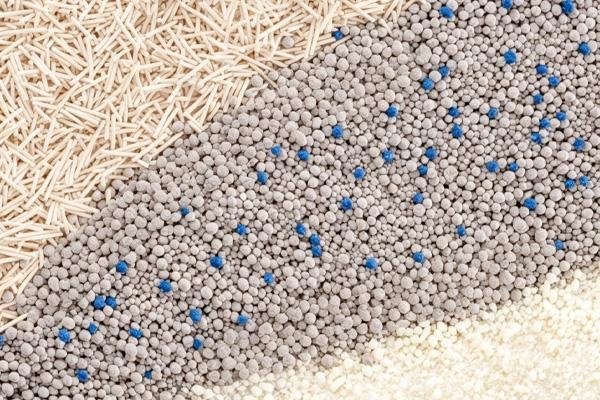
نظرة عامة على المواد الخام المستخدمة في صناعة رمل القطط — 2026
| المواد الخام | نموذج | الامتصاص / التكتل | الاستدامة | الأكثر ملاءمة لـ | نطاق أسعار البيع بالجملة |
| طين البنتونيت الصوديوم | حبيبات بحجم 1.0–2.5 ملم | ما يصل إلى 15 ضعف الوزن؛ تكتل محكم في غضون 3–7 ثوانٍ | مادة معدنية؛ يُتخلص منها في مكب النفايات فقط | المنتجات الشائعة ذات التكتل | أقل تكلفة للكيلوغرام الواحد |
| بلورات هلام السيليكا | حبيبات مسامية 2–6 مم | امتصاص عالٍ، تكتل بطيء | مادة معدنية؛ يُتخلص منها في مكب النفايات فقط | خط منتجات طويلة العمر لا تتكتل | الفئة المتوسطة |
| التوفو / ألياف الصويا | شريط أو أسطوانة 2.0–3.0 مم | امتصاص متوسط؛ كتلة ناعمة | EN 13432: قابل للتحلل البيولوجي؛ قابل للتخلص منه في المرحاض | خط منتجات فاخر / مستدام | فئة بريميوم |
| حبيبات خشب الصنوبر | حبيبة 6 ملم | يمتص عند ملامسته؛ ويتفكك إلى نشارة خشب | منتج ثانوي زراعي؛ قابل للتحلل | خط صديق للبيئة / منخفض الغبار | الفئة المتوسطة |
| نشا الذرة / الكسافا | حبيبات بحجم 1.5–3.0 مم | تكتل متوسط؛ قابل للتخلص منه في المرحاض | EN 13432: قابل للتحلل البيولوجي؛ قابل للتخلص منه في المرحاض | المنتج الرئيسي القابل للتحلل البيولوجي | فئة فاخرة – متوسطة |
نطاقات الأسعار الإرشادية للبضائع السائبة شحن من الميناء (FOB)، عبوة 25 كجم، شحن من الميناء الرئيسي في الصين، عام 2026. يرجى التحقق من مطابقتها لطلب عرض الأسعار الخاص بكم.
لماذا يؤثر اختيار المواد الخام على هامش ربح الموزع
لا تتجاوز ربحية منتج رمل القطط (SKU) قيمة المواد الخام التي يتكون منها — حيث تشكل تكلفة المواد عادةً ما بين 55 و70% من سعر المنتج النهائي شحن من الميناء (FOB). وتغطي المجموعات الخمس التالية أكثر من 95% من سوق العلامات التجارية الخاصة على مستوى العالم.
📦 ملاحظة خاصة بقطاع الأعمال (B2B) — لماذا يهم هذا الأمر موزعي منتجات الحيوانات الأليفة وتجار الجملة: إن مزيج المواد الخام الذي تلتزمون به يحدد منحنى التكاليف الخاص بكم، وكثافة الشحن، والمخاطر التنظيمية لكل وحدة تخزين (SKU) تقومون بشحنها خلال الـ 18 إلى 24 شهراً القادمة.
رمل القطط ذو الأساس المعدني: البنتونيت، والطين، وهلام السيليكا
لا تزال رمل القطط المعدني يمثل الجزء الأكبر من الحجم الإجمالي العالمي. اختر النوع الذي يناسب قناتك التسويقية — البنتونيت المتكتل لمتاجر التجزئة العادية، والسيليكا للخطوط غير المتكتلة ذات العمر الطويل،, معيار ASTM D6400 الخاص بالمواد القابلة للتحلل البيولوجي تنطبق هذه الأدلة فقط على الخطوط المستمدة من النباتات، ولا تنطبق على وحدات التخزين (SKU) المعدنية هذه.
2.1 طين البنتونيت الصوديوم — العنصر الأساسي لتكتل الجسيمات
يُعد البنتونيت الصوديومي المادة الخام السائدة في صناعة منتجات التكتل على مستوى العالم. ويُستخرج هذا النوع من البنتونيت عالي النقاء، المصنف على أنه «صوديومي»، من رواسب الرماد البركاني، حيث يتضخم عند ملامسته للسوائل ويحبس الرطوبة داخل كرة محكمة الإغلاق في غضون 3 إلى 7 ثوانٍ تقريبًا — وهي سرعة كافية لإرضاء أصحاب الحيوانات الأليفة الذين يحبون تنظيف الصندوق، كما أنها نظيفة بما يكفي للحفاظ على جفاف الصندوق المحيط.
بالنسبة للمشترين في قطاع الأعمال (B2B)، تتمثل الآثار العملية في ما يلي: الشحن في أكياس بلاستيكية أو ورقية سعة 25 كجم / 50 رطلاً لتقليل تكلفة الشحن لكل كيلوغرام، وتحديد حبيبات <1% لقنوات البيع بالتجزئة منخفضة الغبار، وطلب تقارير معملية من SGS أو Bureau Veritas لكل شحنة سائبة.
2.2 الطين التقليدي وهلام السيليكا — خطوط «نيش مينيرال»
يُعد طين الأتابولجيت والسيبيوليت بديلين لا يتكتلان، ولا يزالان يُشحنان بسهولة إلى الأسواق التي يفضل فيها المستهلكون الصناديق الممتصة من الطراز القديم (التي لا يمكن جرف محتواها بالمجرفة). وتكلفتهما للكيلوغرام الواحد أقل من تكلفة البنتونيت الصوديوم، لكنهما يتطلبان تغييرًا كاملاً أكثر تكرارًا.
تعتبر رمل الكريستال المصنوع من هلام السيليكا منتجًا معدنيًّا مستقلًا — عبارة عن حبيبات مسامية تمتص الرطوبة وتحتجز الروائح لمدة 3–4 أسابيع لكل تعبئة. وهو لا يتكتل، ولا يترك آثارًا على الأرض، ويباع بسعر تجزئة أعلى للكيلوغرام مقارنةً بالبنتونيت. الـ إحصائيات APPA لعام 2025 حول تربية الحيوانات الأليفة تشير الدراسات باستمرار إلى أن الأسر التي تربي عدة قطط تشتري رمل السيليكا طويل العمر كخيار ثانٍ بعد رمل البنتونيت المتكتل — لذا يجدر تخزين كلا النوعين.
رمل قطط قابل للتحلل الحيوي ومصنوع من مكونات نباتية: التوفو والصنوبر والذرة
تُعد رمل القطط النباتي القطاع الأسرع نموًّا، مدفوعًا باللوائح التنظيمية الصادرة عن الاتحاد الأوروبي والولايات المتحدة بشأن مدافن النفايات، والطلب في سوق الشقق السكنية والإيجارات على المنتجات القابلة للتصريف في المرحاض، والتحول المطرد من قبل الشركات المصنعة للمعدات الأصلية (OEM) نحو الخلطات المعدنية-النباتية بنسبة 50/50. مجموعة «كات جلوبال» من رمل القطط القابل للتحلل البيولوجي (تركيبات تم التحقق من قابليتها للتحلل وفقًا لمعيار EN 13432) تغطي هذه الفئة بشكل شامل.
3.1 التوفو وألياف الصويا — خيار صديق للبيئة وقابل للتخلص منه في المرحاض
تُصنع رمل القطط «بريميوم توفو» من بقايا البازلاء الصالحة للاستهلاك الغذائي ومنتجات فول الصويا الثانوية — وهو ما يمثل استخدامًا دائريًّا ونظيفًا للمنتجات الزراعية الثانوية، ويستوفي معيار EN 13432 الخاص بالقابلية للتحلل الصناعي، كما أنه آمن للتخلص منه في المرحاض بكميات صغيرة.
استخدم دليل Cat Global لرمل القطط المصنوع من التوفو لاختيار الحجم المناسب للحبيبات وفقًا لقناتك — فالشرائح مقاس 2.0 مم مناسبة لعمليات إعادة التعبئة الآلية في متاجر الحيوانات الأليفة، بينما تُنقل الأسطوانات مقاس 3.0 مم بشكل أفضل في حاويات التصدير المخصصة للرحلات الطويلة. وتعمل الإضافات الوظيفية، مثل الكربون المنشط أو مستخلص الشاي الأخضر، على رفع معدل خفض الأمونيا إلى 90%+ على مدار 24 ساعة.
3.2 رمل القطط المصنوع من خشب الصنوبر والمنتجات الزراعية الثانوية
تُصنع رمل القطط المصنوع من خشب الصنوبر من نشارة الخشب اللين وراتنج الصنوبر، ويتم ضغطها على شكل حبيبات قطرها 6 ملم، وهي حبيبات تمتص السوائل وتعود إلى شكل نشارة جافة عند إزالتها بالمجرفة. يعمل الراتنج الطبيعي على تحييد الأمونيا دون إضافة أي عطر، مما يجعل رمل القطط المصنوع من خشب الصنوبر خيارًا مثاليًّا لخطوط المنتجات المخصصة للقطط ذات البشرة الحساسة.
وتكمل المنتجات الزراعية الثانوية — مثل سيقان الذرة، وبقايا الكسافا، ونخالة القمح، وقشور الأرز — فئة المنتجات النباتية، وتوفر للموزعين فرصة للتوريد من مصادر إقليمية في الأسواق التي تتوفر فيها مصادر محلية لهذه المخلفات. إن رقم المنتج (SKU) الخاص بالبيع بالجملة لمنتج «كات جلوبال» المستخلص من نبات اللافندر وهو مثال توضيحي لكيفية استهداف خط منتجات فاخرة ذات مكونات نباتية لأسواق التجزئة في أوروبا وأستراليا.
المزائج المُحسَّنة والمواد المضافة الوظيفية
يتيح «المزج» لمشتري العلامات التجارية الخاصة ضبط التكلفة والوزن وقوة التكتل وقابلية التخلص منها في المرحاض ضمن رمز منتج واحد (SKU) — وهو الاتجاه السائد للابتكار في عام 2026. قواعد الاتحاد الأوروبي الخاصة بالتغليف فيما يتعلق بإمكانية التخلص منها في مكبات النفايات — انظر لائحة EUR-Lex بشأن التغليف ونفايات التغليف رقم 2019/1021 — جعلت هذه الشركات، في صمت، الخلطات القابلة للتحلل البيولوجي هي الخيار الافتراضي الآمن من الناحية التنظيمية في قناة العلامات التجارية الخاصة الأوروبية.
4.1 المضافات الوظيفية لتحسين النظافة والتحكم في الروائح
من النادر العثور على رمل للقطط مصنوع من مادة خام واحدة خالصة في القنوات التجارية. وتُضاف إلى معظم المنتجات المُعبأة بكميات كبيرة مواد مضافة وظيفية تتراوح بين 1 و3% — مثل العوامل المضادة للبكتيريا من أيونات المعادن الطبيعية، أو الكربون المنشط، أو مستخلص الشاي الأخضر، أو صودا الخبز — بهدف تعزيز عملية تقليل الأمونيا، وخفض البكتيريا في الصندوق، وإطالة العمر الافتراضي بين عمليات التغيير الكاملة.
يجب على الموزعين أن يطلبوا ورقة مواصفات مكتوبة للمواد المضافة وورقة بيانات السلامة (SDS) لكل مزيج: فهذه هي الطريقة التي يمكنكم من خلالها تجنب التغييرات المفاجئة في الملصقات عندما يقوم المصنع الأصلي (OEM) بتعديل التركيبة في منتصف دورة الإنتاج.
4.2 رمل القطط المركب: الجمع بين مزايا المواد المختلفة
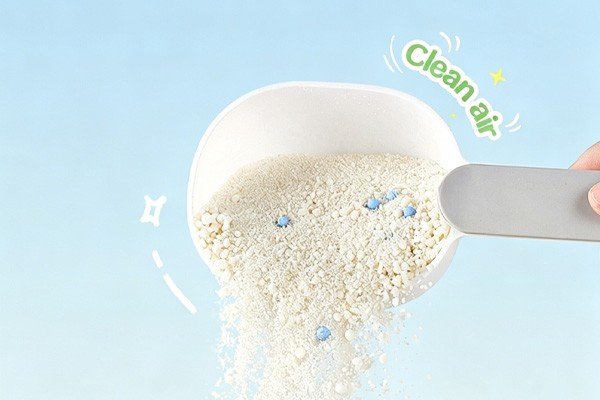
تُعد التركيبات المخلوطة الاتجاه السائد في مجال الابتكار لعام 2026. ومن الأمثلة على هذه التركيبات مزيج مكون من 70% من ألياف التوفو النباتية مع 30% من البنتونيت الصوديوم — حيث يجمع بين قابلية التوفو للتخلص منه في المرحاض وخفة وزنه وقوة التكتل التي يتميز بها البنتونيت، بتكلفة للكيلوغرام الواحد تقل بنحو 20% عن تكلفة التوفو النقي وتزيد بنحو 10% عن تكلفة البنتونيت النقي.
تستخدم الشركات التي تعمل تحت علامات تجارية خاصة الخلطات للتمييز في كل معلمة قابلة للتعديل: حجم الجسيمات (1.0–3.0 مم)، ومجموعة المواد المضافة، وتصميم الأكياس، وخصائص العطر. ويمكن عادةً تخصيص تكوين المصنع والتعبئة والتغليف ضمن دورة تصنيع المعدات الأصلية (OEM) التي تستغرق 30–45 يومًا.
المشتريات، وضمان الجودة، ودعم مصنعي المعدات الأصلية (OEM) ومصنعي التصميم الأصلي (ODM)
هناك متطلبان تشغيليان يميزان الشريك الموثوق به من بين مصنعي المعدات الأصلية (OEM) عن الشركة التجارية، وهما: توثيق مصادر المواد الخام، ووجود قاعدة إنتاجية كبيرة بما يكفي لضمان جودة ثابتة للمنتجات بكميات كبيرة.
5.1 ضمان جودة المواد الخام وسلسلة التوريد المستقرة
تقوم الشركات المصنعة ذات السمعة الطيبة بتوريد الخامات والمواد الخام الزراعية الصالحة للاستخدام الغذائي من خلال عقود طويلة الأجل مع موردي المواد الأولية لضمان نقاء المنتجات وخلوها تمامًا من التلوث. يتم فحص كل دفعة سائبة للتأكد من صلابة الجسيمات (≥3.5 كجم قوة بالنسبة للبنتونيت)، والكثافة (0.7–1.1 غ/سم³)، والرطوبة (<10%) قبل التعبئة.
تعد قاعدة الإنتاج الآلية التي تبلغ مساحتها 60,000 متر مربع أو أكثر الحد الأدنى العملي لتحقيق أحجام تصدير مستدامة — فأي مساحة أصغر من ذلك تواجه صعوبة في الحفاظ على اتساق الدفعات عندما تتجاوز الطلبات الشهرية 300 طن. تفضل بزيارة صفحة «نبذة عن Cat Global» بالنسبة لمجموعة الصور الخاصة بموقع الإنتاج؛ احرص دائمًا على طلب جولة افتراضية في المصنع قبل التوقيع.
5.2 خدمات صياغة التركيبات المخصصة وفقًا لمعايير OEM و ODM
تتيح شركات تقديم خدمات OEM/ODM الشاملة للمشترين تكييف نسب المواد الخام، وحجم الحبيبات، ومزيج العطور، وتصميمات التغليف وفقًا لتفضيلات السوق المحلية. وتستغرق مدة التسليم عادةً ما بين 25 و40 يومًا من تاريخ إصدار أمر الشراء حتى شحن الحاوية الكاملة (FCL) بالنسبة للطلبات الأولى؛ بينما تنخفض هذه المدة إلى ما بين 15 و25 يومًا بالنسبة للطلبات المتكررة.
عند تقييم قائمة الموردين المختارين، يجب أن تراعي أربعة عوامل بنفس القدر من الأهمية: وجود دليل معتمد مختبريًّا على قابلية التحلل وفقًا لمعيار EN 13432 أو ASTM D6400، والامتثال لورقة بيانات السلامة (SDS) لكل مادة مضافة، وسجل حافل وموثق في مجال التصنيع الأصلي (OEM) أو التصنيع حسب الطلب (ODM) مع شركاء تجزئة محددين، والاستعداد للتوقيع على بند تثبيت أسعار المواد الخام لعدة سنوات. أرسل طلب عرض أسعار إلى فريق «Send the Cat Global» للحصول على عينات وعرض أسعار مخصص.
الخلاصة: قم بمواءمة اختيار المواد الخام مع مزيج قنواتك التسويقية
إن وجود محفظة متوازنة من منتجات رمل القطط المعدنية والقابلة للتحلل الحيوي يحمي الموزعين من التغيرات في السياسات الإقليمية وتفضيلات المستهلكين سريعة التغير. وعندما تقترن مرونة مصنعي المعدات الأصلية (OEM) بمصادر موثقة للمواد الخام، فإن النتيجة هي هامش ربح قابل للدفاع عنه عبر قنوات البيع بالتجزئة والبيع عبر الإنترنت والعلامات التجارية الخاصة.
📦 ملاحظة خاصة بقطاع الأعمال (B2B) — لماذا يهم هذا الأمر موزعي وتجار الجملة في مجال الحيوانات الأليفة: إن المزيج الصحيح من المواد الخام — الذي يتكون عادةً من 60–70% من البنتونيت المتكتل ممزوجًا بـ 30–40% من الألياف النباتية — يتيح لشراء واحد بالجملة أن يخدم منتجين مختلفين (خط إنتاج رئيسي من المنتجات المتكتلة وخط إنتاج ممتاز من المنتجات القابلة للتحلل الحيوي) ويحمي هامش الربح من أي صدمة في أسعار أي مادة خام بمفردها.
الأسئلة الشائعة
إجابات سريعة على الأسئلة السبعة الأكثر شيوعًا حول مكونات رمل القطط — تشمل تكوين المواد الخام، وقابلية التحلل البيولوجي، وإمكانية التخلص منها في المرحاض، وعمليات الشراء.
السؤال 1: من ماذا تتكون رمل القطط؟
تتكون رمل القطط الحديث من خمس فئات رئيسية من المواد الخام: طين البنتونيت الصوديوم، وهلام السيليكا، والألياف النباتية (التوفو والذرة)، وكريات الخشب اللين (الصنوبر)، وكميات صغيرة من الإضافات الوظيفية مثل الكربون المنشط والمعادن الطبيعية المزيلة للروائح. وتشمل كل فئة تركيبات تجارية متعددة، وأصبحت معظم وحدات التخزين (SKU) السائبة الآن مخلوطة — على سبيل المثال ألياف التوفو 70% مع البنتونيت 30% — لتحقيق التوازن بين التكلفة وقوة التكتل وقابلية التخلص منها في المرحاض.
السؤال 2: ما هي رمل القطط المصنوع من البنتونيت؟
تُصنع رمل القطط البنتونيت من البنتونيت الصوديوم، وهو طين طبيعي عالي النقاء يتكون من الرماد البركاني، ويستطيع امتصاص ما يصل إلى 15 ضعف وزنه من السوائل وتشكيل كتل متماسكة في غضون ثوانٍ. يُعد البنتونيت الصوديوم المادة الخام السائدة في قطاع منتجات التكتل على مستوى العالم، لأنه يوفر نتيجة موثوقة يسهل جمعها بالمجرفة، ويسهل شحنه في أكياس سائبة سعة 25 كجم / 50 رطلاً، ويظل المنتج الأساسي للموزعين الجدد في معظم الأسواق.
السؤال 3: هل رمل القطط قابل للتحلل البيولوجي؟
فقط المنتجات ذات المكونات النباتية هي القابلة للتحلل البيولوجي بالكامل — حيث تتحلل رملات التوفو وألياف الصويا والذرة والكسافا والصنوبر والقمح في الماء أو في السماد العضوي وفقًا لشروط المعيار EN 13432. أما رملات طين البنتونيت وهلام السيليكا فهي ذات أصل معدني وتبقى في مكبات النفايات. إذا كان سوق التجزئة الخاص بك يحظر استخدام رمل الحيوانات الأليفة غير القابل للتحلل البيولوجي أو يفرض رسومًا على التخلص منه في مدافن النفايات، فإن تخزين خط إنتاج واحد على الأقل من المنتجات القابلة للتحلل البيولوجي يحمي الموزعين من المخاطر التنظيمية المستقبلية.
السؤال 4: هل يمكن التخلص من رمل القطط في المرحاض؟
فقط التوفو القابل للتصريف أو ألياف الصويا، وما شابهها من رمل نباتي قابل للذوبان في الماء، هي المواد المعتمدة باعتبارها آمنة للتصريف بكميات صغيرة. أما البنتونيت، وهلام السيليكا، ومخاليط الطين، ورمل الصنوبر المتكتل، فيجب دائمًا التخلص منها مع النفايات المنزلية، حتى لو كانت العبوة تحمل عبارة ‘قابل للتصريف’ — فهذا المصطلح غير خاضع للتنظيم في معظم البلدان. يجب على مشتري العلامات التجارية الخاصة التعامل مع أي ادعاء بـ«قابلية التخلص منها في المرحاض» على أنه مجرد عبارة تسويقية تتعلق بالاستدامة، وتجنب تقديم ضمانات تتعلق بسلامة الأنابيب للمشترين من الأفراد.
السؤال 5: هل رمل القطط سام؟
الرمل النباتي الصالح للاستخدام الغذائي (التوفو، الذرة، الكسافا) غير سام وآمن عند وجود القطط الصغيرة. أما رمل البنتونيت والسيليكا جيل فليس لهما سمية جهازية، لكن غبارهما قد يسبب تهيجًا في الرئتين — وهو أمر مهم بالنسبة للقطط المصابة بالربو أو القطط الصغيرة التي تقوم بتنظيف نفسها مباشرة بعد استخدام صندوق الرمل. يجب على الموزعين طلب الحصول على أوراق بيانات السلامة (SDS) وشهادة انخفاض الغبار (عادةً ما تكون أقل من 1% من الجسيمات الدقيقة بالوزن) قبل قبول أي منتج من الرمل المعدني الذي يحمل علامة تجارية خاصة.
السؤال 6: كيف يتم تصنيع رمل القطط؟
يتم تصنيع رمل القطط المعدني عن طريق سحق وغربلة البنتونيت أو خام السيليكا إلى حبيبات بحجم 1.0–2.5 ملم، ثم تجفيفها حتى تصل نسبة الرطوبة إلى <10%. يُصنع الرمل النباتي عن طريق بثق ألياف البازلاء الصالحة للأكل، أو منتجات الصويا الثانوية، أو نشا الذرة، أو نشارة خشب الصنوبر لتشكيل حبيبات أو شرائح (2.0–3.0 مم)، ثم تجفيفها حتى تصل نسبة الرطوبة إلى أقل من 8%. وبعد الغربلة، يخلط المصنعون المادة الأساسية مع إضافات وظيفية — مثل الكربون المنشط، والمعادن الطبيعية المزيلة للروائح، والعوامل المضادة للبكتيريا — ثم يقومون بتعبئتها في عبوات سائبة تتراوح أحجامها بين 5 كجم و1 طن.
السؤال 7: ما المكون الذي يجعل رمل القطط يتكتل؟
البنتونيت الصوديوم هو المكون الذي يجعل رمل القطط يتكتل. فبنيته البلورية الطبقية تنتفخ عند البلل وتحبس السائل داخل كرة محكمة لا تتفكك أثناء إزالتها بالمجرفة. أما رمل القطط المتكتل غير المحتوي على البنتونيت فيستخدم مواد رابطة قائمة على النشا (عادةً نشا الغوار أو نشا الذرة المعدل) للقيام بنفس المهمة، ولهذا السبب يتكتل رمل القطط المصنوع من التوفو النقي أو الذرة بشكل أكثر ليونة، وعادةً ما يتم مزجه مع 20–30% من البنتونيت للوصول إلى قوة التكتل التجارية.