


- الوصف: هل تبحث عن مصادر لتوريد رمل القطط المخصص من الصين؟ يقارن هذا الدليل لعام 2026 بين أنواع رمل القطط المصنوعة من البنتونيت والتوفو والمزيج، وذلك لأغراض التصدير بموجب علامة المصنع الأصلي (OEM) — ويغطي الدليل الشهادات والتعبئة والتغليف والخدمات اللوجستية والتحقق من مصداقية الشركات المصنعة، وذلك لمستوردي هذه المنتجات وبائعي «أمازون» وسلاسل متاجر بيع الحيوانات الأليفة بالتجزئة.
- الكلمة الرئيسية الأساسية: تصدير رمل القطط / رمل القطط المصنوع حسب الطلب
- الكلمات المفتاحية الثانوية: مصنع معدات أصلية (OEM) لرمل القطط في الصين، رمل القطط بعلامة تجارية خاصة، مورد رمل القطط بالجملة، مصنع رمل القطط المصنوع من التوفو، بيع رمل القطط المصنوع من البنتونيت بالجملة، مصنع رمل القطط في الصين
النسخة الإنجليزية
لقد أمضيت ثلاثة أشهر في التفاوض مع مصنع في شاندونغ. بدت العينات جيدة. ووصلت الحاوية. ثم تلقى منتجك المعروض على “أمازون” تقييمًا بنجمة واحدة — «هذه الرملية تتحول إلى سائل عند البلل» — وبدأت طلبات الإرجاع تتراكم.
هذه القصة ليست نادرة. فهي تحدث للمستوردين الجدد الذين يتعاملون مع رمل القطط كأي سلعة أخرى، ويتجاهلون التفاصيل التي تميز المنتج الجاهز للعرض على الرف عن المنتج الذي يشكل عبئًا على المستودع.
تعتبر رمل القطط من السلع الأساسية التي يتم شراؤها بشكل متكرر. سوق منتجات رمل القطط العالميt بلغت قيمتها حوالي 17 مليار دولار أمريكي في عام 2025، وتستمر في الارتفاع بمعدل نمو سنوي مركب يتراوح بين 5 و6%، مدفوعة بارتفاع أعداد مالكي القطط في جميع أنحاء أمريكا الشمالية وأوروبا والشرق الأوسط. توفر الصين حصة هائلة من البنتونيت والتوفو والرمل المختلط على مستوى العالم — لكن العثور على مصنع يوفر ما يحتاجه سوقك فعليًا هو مهارة بحد ذاتها.
يستعرض هذا الدليل القرارات الخمسة التي تحدد نجاح أو فشل طلب تصدير رمل القطط، وهي: نوع الرمل، ومدى تخصيص المنتجات وفقًا لمتطلبات المصنع الأصلي (OEM)، والشهادات المطلوبة حسب السوق المستهدفة، والتعبئة والتغليف والخدمات اللوجستية، والتحقق من مصداقية المصنع.
لمن يُعد دليل تصدير رمل القطط هذا؟
هذا مناسب لك إذا:
- هل أنت مستورد أو موزع أو صاحب علامة تجارية متخصصة في منتجات الحيوانات الأليفة، وتسعى إلى شراء رمل قطط مخصص من الصين؟
- هل تبيع منتجاتك على «أمازون» أو «تشوي» أو عبر قناتك الخاصة للتجارة الإلكترونية وتحتاج إلى رمل قطط بعلامة تجارية خاصة؟
- أنت تعمل على توسيع سلسلة متاجر لبيع الحيوانات الأليفة وترغب في الحصول على إمدادات بالجملة بشكل منتظم
- أنت بحاجة إلى تركيبة خاصة بالمصنع الأصلي (OEM) — رائحة مخصصة، وحجم الحبيبات، ومستوى الغبار، والتعبئة والتغليف
لا يناسبك إذا:
- أنت تشتري حقيبة واحدة للاستخدام الشخصي — هذا دليل التوريد بين الشركات (B2B)
- إذا كنت تدير مأوىً يحتاج إلى منصات نقالة من حين لآخر — فهذه مسألة تتعلق بالشراء الفوري، وليست بناءً لسلسلة إمداد
إذا كنت جادًا في إطلاق خط إنتاج رمل القطط تحت علامة تجارية خاصة أو توسيع نطاق خط إنتاج قائم، فاستمر في القراءة.
النقاط الرئيسية
- هناك ثلاثة أنواع من الفضلات تهيمن على التجارة العالمية: البنتونيت (الطين)، والتوفو (الألياف النباتية)، والمزيج (البنتونيت + التوفو). أما «كريستال» و«باين» فهما منتجان متخصصان — ولا يُنصح بهما في أول طلب تصدير.
- البنتونيت هو السهم الذي يعتمد على التغيرات في حجم التداول: كتل صلبة، متوافقة مع معيار 90%+، أقل تكلفة للوحدة — لكنها ثقيلة، وتسبب الغبار، ولا يمكن التخلص منها في المرحاض. تهيمن على أسواق الأمريكتين والشرق الأوسط.
- يُعد التوفو القطاع الأسرع نموًّا: قابلة للتصريف في المرحاض، تكاد تكون خالية من الغبار، صديقة للبيئة — تكلفة تصنيع أعلى لكن هوامش ربح قوية في اليابان وكوريا وأسواق الاتحاد الأوروبي التي تولي اهتمامًا كبيرًا بالبيئة.
- تُعد المنتجات المختلطة نقطة انطلاق آمنة للعلامات التجارية الجديدة: يتميز بكتل صلبة مستمدة من البنتونيت ومستوى غبار منخفض مستمد من التوفو، كما أنه يتحمل معظم أخطاء التركيب.
- الشهادات ليست اختيارية: يحتاج المشترون الأمريكيون إلى تسجيل المنشأة لدى إدارة الغذاء والدواء (FDA)؛ بينما يحتاج المشترون من الاتحاد الأوروبي إلى الامتثال لقانون REACH؛ أما اليابان وكوريا فلديهما معاييرهما الخاصة بمنتجات الحيوانات الأليفة. ابدأ في إنجاز الإجراءات الورقية الخاصة بالشهادة قبل تقديم طلب الشراء.
- تكلفة شحن مواد التغليف أعلى مما يدركه معظم المشترين: تستوعب حاوية 40HQ ما يقارب 22–26 طنًا من رمل البنتونيت، لكن شكل التعبئة — سواء كان إبريقًا أو كيسًا داخل صندوق أو كيسًا مسطح القاع — يؤثر على الجدوى الاقتصادية للوحدة بنسبة تتراوح بين 10 و15%.
- تُميّز عمليات تدقيق المصانع بين المصنعين الحقيقيين والشركات التجارية: زيارة خط الإنتاج، والتحقق من أنظمة التحكم في الغبار، واختبار ثلاث دفعات عشوائية من تواريخ إنتاج مختلفة قبل إبرام العقد.
جدول مقارنة صادرات رمل القطط لعام 2026
الأسعار الواردة هي أسعار إرشادية لشحن من الميناء (FOB) من الصين اعتبارًا من منتصف عام 2026. وتعتمد الأسعار الفعلية على درجة جودة المواد الخام، والمواد المضافة العطرية، ومواصفات التعبئة والتغليف، وحجم الطلب. يرجى الاتصال بـ فريق تصنيع المعدات الأصلية (OEM) للحصول على عرض أسعار مخصص.
أنواع رمل القطط الثلاثة الأكثر تداولاً في سوق التصدير
ليست كل أنواع الفرشات مناسبة للنقل. فالشحن يضيف عوامل مثل الحرارة والرطوبة والضغط والوقت — لذا فإن ما ينجح على منصة نقالة محلية قد يفشل داخل حاوية تعبر خط الاستواء. وإليكم أداء كل من البنتونيت والتوفو والفرشات المختلطة فعليًّا في عمليات التصدير.
رمل البنتونيت للقطط: الرائد العالمي من حيث الحجم
البنتونيت هو النوع الذي تستخدمه غالبية القطط في العالم. تشبه الحبيبات الرمل الطبيعي، لذا تزيد نسبة قبول القطط لها عن 90% في مختلف الأسواق — بدءًا من المنازل الأمريكية التي تضم عدة قطط وصولًا إلى قطط الفيلات في الشرق الأوسط. تتكتل هذه الحبيبات بقوة كافية لتسهيل إزالتها بالمجرفة، كما أن الجدوى الاقتصادية للوحدة واضحة: يتم شحنها بحاويات كاملة، وتأتي هوامش الربح من حجم المبيعات.
بلغت قيمة سوق رمل القطط المصنوع من البنتونيت على مستوى العالم حوالي 3.4 مليار دولار أمريكي في عام 2025، وتعد الصين واحدة من أكبر ثلاث دول في معالجة البنتونيت — إلى جانب الولايات المتحدة والهند. إذا كنت تستورد إلى الأمريكتين أو دول الخليج، فمن المرجح أن يكون بيع رمل القطط المصنوع من البنتونيت بالجملة هو المنتج الأساسي في مخزونك.
ثلاثة أمور يجب الانتباه إليها:
- تختلف طرق مكافحة الغبار اختلافًا كبيرًا من مصنع لآخر. المصنع الذي يضم خطًا مناسبًا لشفط الغبار ينتج نفايات لا تثير سوى القليل من الجسيمات. أما المصنع الذي يفتقر إلى هذا الخط، فيرسل سحبًا من الغبار داخل الأكياس — والغبار يثبط الرغبة في إعادة الشراء.
- البنتونيت الصوديوم مقابل البنتونيت الكالسيوم. يتكتل البنتونيت الصوديوم بشكل أقوى ويمتص كمية أكبر من السوائل. ويقوم بعض الموردين ذوي التكلفة المنخفضة بخلط البنتونيت الكالسيوم به لتخفيض التكلفة، مما يضعف تماسك التكتلات. لذا، يجب تحديد محتوى البنتونيت الصوديوم في العقد.
- الوزن هو العقبة اللوجستية التي تواجهك. تزن حاوية 40HQ من رمل البنتونيت ما بين 22 و26 طنًا. وتتراوح تكلفة الشحن البحري للطن الواحد من الموانئ الصينية إلى الساحل الغربي للولايات المتحدة بين $80 و150 تقريبًا، حسب الموسم. كل دولار يتم توفيره على سعر FOB يضيع في تكاليف الشحن إذا لم تقم بحساب التكلفة الإجمالية للوصول من البداية إلى النهاية.
رمل القطط المصنوع من التوفو: قطاع النمو المتميز
تعتبر رمل القطط المصنوع من التوفو — والمُصنَّع من ألياف البازلاء ونشا الذرة ومخلفات فول الصويا — الفئة الأسرع نموًّا في آسيا، كما أنها تكتسب حصة سوقية متزايدة في أوروبا وأمريكا الشمالية. ويمكن التخلص منها مباشرةً في المرحاض، ولا تنتج أي غبار في الهواء تقريبًا، كما أنها تضع العلامة التجارية في فئة المنتجات “الطبيعية والصديقة للبيئة” التي تحقق هامش ربح أعلى في البيع بالتجزئة.
يتم شحن خط إنتاجنا الخاص بـ«OEM» لرمل القطط المصنوع من التوفو إلى المستوردين في اليابان وكوريا وألمانيا والمملكة المتحدة وأستراليا. ويعزى هذا الطلب إلى ثلاثة اتجاهات: التحضر (شقق أصغر حجمًا، وتقبل أقل للغبار)، واللوائح البيئية (أصبحت قابلية التخلص منها في المرحاض معيارًا للشراء)، و«إضفاء الطابع الإنساني» على الحيوانات الأليفة (يعامل المالكون القطط كأفراد من العائلة وينفقون وفقًا لذلك).
المخاطر الخاصة بالتصدير فيما يتعلق بفراش التوفو:
- الرطوبة هي العدو. تمتص حبيبات التوفو الرطوبة المحيطة. فقد تؤدي بقاء الحاوية في ميناء حار لمدة أسبوعين إلى تعفن الشحنة قبل وصولها إلى المستودع. يجب أن تتضمن عبوات المصنع بطانات داخلية مانعة للرطوبة، كما يجب تحديد استخدام أكياس مجففة للشحن البحري.
- مدة الصلاحية أمر مهم. تتمتع معظم منتجات التوفو بفترة صلاحية تتراوح بين 12 و18 شهراً من تاريخ الإنتاج. إذا كانت دورة التوزيع طويلة — على سبيل المثال، من المصنع إلى المستودع في الولايات المتحدة ثم إلى مركز تلبية الطلبات التابع لشركة أمازون — فأنت بحاجة إلى فترة صلاحية لا تقل عن 8 أشهر عند تسليم المنتج للعميل. قم بتضمين ذلك في مواصفات الجودة الخاصة بك.
- تختلف صلابة الحبيبات باختلاف التركيبة. تتفتت الحبيبات الأكثر ليونة أثناء النقل وتنتج جزيئات دقيقة في قاع الكيس — ويشكو العملاء من وجود “فضلات غبارية” على الرغم من نظافة المادة الأساسية. اطلب مواصفات قوة مقاومة الحبيبات للكسر، واختبر العينات بعد دورة اهتزاز محاكاة.
إذا كانت قابلية التخلص منها في المرحاض هي نقطة قوتك التسويقية، فيجب أن تستوفي رمل القطط معيار قابلية التحلل إلى سماد ASTM D6400 أو ما يعادله — وهو ادعاء يتحقق منه المشترون في الاتحاد الأوروبي وأستراليا بشكل متزايد قبل إضافة المنتج إلى قائمة المشتريات.
رمل القطط المختلط: الحل الوسط الناجح
لم تكن «الرمل المختلط» — الذي يتكون عادةً من 60–70% من البنتونيت ممزوجًا بـ 30–40% من التوفو — متوفرًا على نطاق واسع قبل خمس سنوات. أما الآن، فقد أصبح هذا النوع هو الشكل الأكثر شيوعًا في المنتجات الجديدة التي تُطرح تحت العلامات التجارية الخاصة. والمنطق وراء ذلك بسيط: فأنت تحصل على الكتل الصلبة للبنتونيت، ومستوى الغبار المنخفض للتوفو، وإمكانية التخلص الجزئي منها في المرحاض، كل ذلك بسعر يقع بين السعرين.
بالنسبة للمستوردين الجدد، يُعد منتج “OEM” المختلط لرمل القطط نقطة انطلاق ذات مخاطر أقل. نسبة المزج مرنة — فخطأ في التركيبة بنسبة 5% لا يؤدي إلى إتلاف الدفعة كما هو الحال مع منتجات التوفو النقية. وتظل نسبة قبول القطط عالية. كما أن الترويج للمنتج في متاجر التجزئة سهل: «كتل صلبة، غبار أقل، قابلة للتخلص منها جزئيًا في المرحاض».”
سر تجاري واحد: تؤثر نسبة المزيج بشكل مباشر على وزن الحاوية وتكلفة الشحن. فالمزيج المكون من البنتونيت والتوفو بنسبة 70/30 يُشحن بوزن أخف بحوالي 10–15% لكل متر مكعب مقارنةً بالبنتونيت النقي، لكن سعر FOB للطن الواحد أعلى بمقدار 60–80%. احسب التكلفة الإجمالية عند الوصول لكل وحدة، وليس لكل طن — فالوزن الأخف يكون أحيانًا أكثر ربحية من حيث تكلفة الشحن، وأحيانًا لا يكون كذلك.
ما يمكنك تخصيصه فعليًّا في منتجات رمل القطط المصنعة حسب الطلب (OEM)
“يختلف معنى مصطلح ”مخصص» من مصنع لآخر. فبعض المصانع تكتفي بوضع شعارك على حقيبة جاهزة وتسميها «علامة خاصة»، بينما تقوم مصانع أخرى بإعادة صياغة المنتج بدءًا من المواد الخام. وإليك ما يعتبر شرعيًّا مصنع المعدات الأصلية (OEM) لرمل القطط ينبغي أن تتضمن.
الصياغة (التخصيص الفعلي):
- الرائحة: بدون رائحة، لافندر، شاي أخضر، ليمون، بودرة أطفال، أو زيت عطري حسب الطلب
- قطر الحبيبات: عادةً 1.5 مم أو 2.0 مم أو 2.5 مم — الحبيبات الأصغر تتكتل بشكل أسرع، أما الحبيبات الأكبر فتترك آثارًا أقل
- مستوى الغبار: يحدد في المواصفات على النحو التالي: “الغبار المتناثر ≤ X غرام لكل كيلوغرام”، مع الإشارة إلى طريقة الاختبار
- المواد المضافة: الكربون المنشط للتحكم في الروائح، صودا الخبز، عوامل مضادة للميكروبات، مؤشرات اللون
- نسبة الخلط: بالنسبة للفرش المختلط، يرجى تحديد النسبة المئوية للبنتونيت إلى التوفو
التغليف (الجانب الذي يقلل المشترون من أهميته):
- شكل العبوة: كيس وسادة من البولي إيثيلين، كيس صندوقي ذو قاع مسطح، كيس قائم مزود بسحاب، كيس غير منسوج، إبريق بلاستيكي، كرتونة ورقية
- وزن الحشوة: 2.5 كجم، 5 كجم، 6 لتر، 10 لتر، أو حسب الطلب
- البطانة الداخلية: رقائق ألومنيوم مانعة للرطوبة أو بطانة من البولي إيثيلين — شرط لا يمكن التنازل عنه بالنسبة لرمل التوفو في الشحن البحري
- نوع المقبض: مقطوع بالقالب، أو مقبض بشريط لاصق، أو بدون مقبض
- الطباعة: الحفر أو الرقمية؛ طلاء UV موضعي، تغليف غير لامع، فتحة نافذة
العلامة التجارية:
- العلامة الخاصة: اسم علامتك التجارية وشعارك وتصميمك على العبوة
- الرمز الشريطي: UPC للولايات المتحدة، وEAN لأوروبا
- التسمية متعددة اللغات: الإنجليزية، الإسبانية، العربية، اليابانية — وفقًا لمواصفات السوق المستهدفة
تقوم معظم المصانع بإرسال عينة ما قبل الإنتاج (PPS) للموافقة عليها. لا تتخطَّ هذه الخطوة. فـ«PPS» هي فرصتك الأخيرة لاكتشاف أي خطأ في التركيبة قبل إنتاج حاوية كاملة.
شهادات الجودة حسب السوق المستهدفة
الشهادات ليست مجرد “ميزة إضافية” — بل هي شرط أساسي للتخليص الجمركي ومتطلبات الإدراج في المنصات. وتطبق الأسواق المختلفة معايير مختلفة.
نصيحة من الخبراء: اطلب من المصنع تقرير اختبار من جهة خارجية صادر عن SGS أو Intertek على ثلاثة أمور — انبعاث الغبار، ومحتوى المعادن الثقيلة، والحدود المسموح بها للميكروبات. إذا لم يتمكن المصنع من تقديم هذه النتائج في غضون 7 أيام عمل، فابتعد عن الصفقة. يجب أن تُدرج الاختبارات التي تجريها جهات خارجية كبنود منفصلة في كل عقد شراء؛ ولا تعتمد على المختبر الداخلي للمصنع وحده.
بالنسبة للشحنات المتجهة إلى الولايات المتحدة، تُعد صفحة استيراد المنتجات الحيوانية والبيطرية التابعة لإدارة الغذاء والدواء الأمريكية (FDA) وجهتك الأولى للاطلاع على المتطلبات الحالية. أما بالنسبة للاتحاد الأوروبي، فإن متطلبات الامتثال لمادة REACH تنطبق على المكونات الكيميائية الموجودة في رمل القطط المعطر أو المعالج بالمضافات.
كيفية اختيار شركة مصنعة لرمل القطط في الصين
يوجد في الصين مئات المصانع التي تدعي أنها تنتج رمل القطط. وربما لا يتجاوز عدد المصانع القادرة على تلبية طلبات التصنيع بالنيابة (OEM) المخصصة للتصدير بشكل موثوق اثنتين وعشرين مصنعًا. أما البقية فهي مصانع مخصصة للسوق المحلية، وستواجه صعوبات في الحفاظ على تركيبة منتجاتها بشكل ثابت، وفي إعداد وثائق التصدير، وفي لوجستيات تحميل الحاويات.
فيما يلي إطار عمل للتدقيق يتألف من خمس نقاط:
1. تخصص خطوط الإنتاج. اسأل: “هل تستخدمون خطوط إنتاج مخصصة للبنتونيت، أو خطوط إنتاج مخصصة للتوفو، أو خطوط إنتاج مختلطة — أم أنكم تتنقلون بين المنتجات على نفس المعدات؟” تعني الخطوط المخصصة تقليل مشاكل التلوث المتبادل وضمان جودة أكثر اتساقًا للحبيبات.
2. البنية التحتية لمكافحة الغبار. تجول في أرجاء المصنع. فالمصنع الجاد الذي ينتج منتجات مخصصة للتصدير يضم محطات خلط مغلقة، ومرشحات غبار من نوع «السيكلون»، ومناطق تعبئة تحت ضغط سلبي. وإذا كان العمال يرتدون أقنعة وكان هناك طبقة غبار مرئية على الأرض، فسيصل المنتج مغبرًا إلى باب العميل.
3. الشفافية في توريد المواد الخام. من أين يأتي البنتونيت؟ (تعد لياونينغ ومنغوليا الداخلية المصادر الصينية الرئيسية؛ وتختلف درجات جودته.) ومن أين تأتي المادة الأولية المستخدمة في صناعة التوفو؟ إن المصنع الذي لا يستطيع إطلاعك على سلسلة توريد المواد الخام الخاصة به في غضون 30 ثانية هو شركة تجارية، وليس مصنعًا.
4. خبرة في مجال وثائق التصدير. اطلب آخر ثلاث سندات شحن متجهة إلى السوق المستهدفة. فالمصنع الذي سبق له الشحن إلى الولايات المتحدة أو الاتحاد الأوروبي أو اليابان سيكون لديه شهادات المنشأ وشهادات التبخير وصحائف بيانات السلامة (SDS) جاهزة — ولن يفرض عليك “رسومًا تدريبية” لتسوية هذه الأمور.
5. بروتوكول اتساق الدُفعات. اطلب سياسة الاحتفاظ بالعينات من كل دفعة إنتاج. فالمصانع الجيدة تحتفظ بعينات من كل دفعة إنتاج لمدة تزيد عن 12 شهراً، ويمكنها الرجوع إليها في حالة نشوء نزاع بشأن الجودة. أما المصانع السيئة فتكتفي بالقول: “ثقوا بنا”.”
إذا لم تتمكن من زيارة المصنع شخصيًا، فاستعن بخدمة تفتيش تابعة لجهة خارجية (مثل SGS أو Bureau Veritas أو AsiaInspection) لإجراء تدقيق ميداني وأخذ عينات عشوائية. وتعد رسوم هذه الخدمة، التي تتراوح بين $500 و1,500، أرخص تأمين قد تشتريه على الإطلاق.
تعرّف على خدمات التصنيع حسب الطلب (OEM) التي نقدمها أو اتصل بنا لبدء الحوار.
التغليف واللوجستيات: المكان الذي تُحقق فيه الأرباح أو تُخسر
يُعد الشحن البحري لرمل القطط أمرًا بسيطًا — فهو شحنة ثقيلة، ولا تتطلب التحكم في درجة الحرارة، ولا تُصنف ضمن البضائع الخطرة — لكن الفروق في التكلفة بين قرارات التغليف الجيدة والسيئة ليست كذلك.
التعبئة على منصات نقالة وتحميل الحاويات. تستوعب حاوية 40HQ ما يقارب 20–22 منصة نقالة، تحمل كل منها 800–1,200 كجم من رمل القطط المعبأ في أكياس، اعتمادًا على شكل الكيس. ويمكن للحاويات التي تُحمَّل من الأرضية استيعاب حمولة أكبر، لكن ذلك يزيد بشكل كبير من عبء العمل عند التفريغ في الوجهة النهائية. وإذا كان المشتري سلسلة متاجر تجزئة أو شركة «أمازون»، فإن التسليم على منصات نقالة عادةً ما يكون شرطًا إلزاميًا، وليس مجرد تفضيل.
شكل التعبئة وكفاءة الشحن. تتميز الأكياس المدمجة ذات القاع المسطح والمساحة القاعدية المربعة بقدرة أكبر على التكديس مقارنة بالأكياس الوسادية — مما يتيح وضع عدد أكبر من الوحدات في كل منصة نقالة، وعدد أكبر من المنصات في كل حاوية. وإذا كانت كل منصة نقالة تحمل 10% وحدة إضافية، فإن التكلفة النهائية للوحدة تنخفض بنسبة 8–10%. وهذا وحده كفيل بأن يُحدث الفارق بين منتج مربح وآخر يحقق التعادل المالي.
شروط «إنكوترمز» التي تحميك. يُعد شروط «فوب» (تسليم البضائع على متن السفينة) نقطة البداية الأكثر شيوعًا — حيث يقوم المصنع بتسليم البضائع إلى ما وراء حافة السفينة في الميناء الصيني، وتتحمل أنت المسؤولية من تلك النقطة فصاعدًا. مع نمو حجم الشحنات، تفاوض على شروط CIF (التكلفة والتأمين والشحن) أو DDP (التسليم بعد دفع الرسوم الجمركية) إلى المستودع في وجهتك. تعمل شروط DDP على تبسيط حساب الأرباح والخسائر الخاص بك، لكنها تتطلب مصنعًا يتمتع بقدرات لوجستية حقيقية في مجال التصدير — ولا تمتلك جميع المصانع هذه القدرات.
تقييم واقعي لمدة التنفيذ. تستغرق الطلبية القياسية من مصنّع المعدات الأصلية (OEM) ما بين 25 إلى 35 يومًا من أيام الإنتاج، بالإضافة إلى 15 إلى 45 يومًا للشحن، حسب الوجهة. أضف 10 أيام للموافقة على عينات ما قبل الإنتاج و5 أيام للتخليص الجمركي. من البداية حتى وصول الشحنة إلى المستودع: خطط لمدة تتراوح بين 60 و90 يومًا. ويستغرق عيد رأس السنة الصينية (يناير–فبراير) 3–4 أسابيع إضافية. ضع جدول مخزونك مع مراعاة ذلك.
ثلاثة أخطاء تقضي على هوامش الربح في استيراد رمل القطط
1. الشراء بناءً على سعر فوب وحده
يقدم أحد المصانع عرضًا بسعر $200 للطن شحن من المصنع (FOB)، بينما يقدم مصنع آخر عرضًا بسعر $240 للطن. فتختار العرض الأرخص. ثم تكتشف أن الرمل الذي ينتجه المصنع الأرخص يحتوي على غبار يبلغ ثلاثة أضعاف الكمية المعتادة، ويصل معدل الإرجاع على «أمازون» إلى 12%، ويتم تعليق عرضك.
سعر الوحدة ليس وحدة المقارنة الصحيحة. قارن التكلفة الإجمالية للوحدة القابلة للبيع عند استلامها من قبل العميل, ، والتي تشمل: سعر فوب + أجرة الشحن البحري + الرسوم الجمركية + تكاليف النقل البري + رسوم خدمة «FBA» من أمازون + التكلفة التقديرية لمعدل المرتجعات. وغالبًا ما يكون المصنع الأغلى هو الفائز في هذه الحسابات عندما تكون الفروق في الجودة حقيقية.
2. تخطي مواصفات الغبار
الغبار هو الشكوى الأولى التي يرفعها المستهلكون بشأن رمل القطط — في جميع الأسواق، وجميع العلامات التجارية، وجميع الفئات السعرية. إذا لم يتضمن عقدك حدًا محددًا كمياً للغبار (“≤ 2 غرام من الغبار لكل كيلوغرام وفقاً لقياس تحليل الغربلة ASTM C136”)، فإن مصنعك ليس عليه أي التزام قابل للتنفيذ للحد منه. أدرج هذا الشرط في العقد.
3. تجاهل مدة الصلاحية الموضحة على عبوات التوفو والرمل المختلط
تتحلل مواد التعبئة المصنوعة من التوفو بمرور الوقت — حيث يؤدي امتصاص الرطوبة إلى ظهور العفن، ويؤدي العفن إلى خطر الإصابة بالأفلاتوكسين، ويؤدي الأفلاتوكسين بدوره إلى سحب المنتج من الأسواق. إذا كانت سلسلة التوزيع الخاصة بك من المصنع إلى العميل تستغرق 120 يومًا، وكانت مدة صلاحية منتجك عند الإنتاج 12 شهرًا، فإن فترة البيع المتاحة لديك تبلغ 8 أشهر. اطلب كميات تتناسب مع معدل بيعك. لا تشترِ كمية من نشارة التوفو تكفي لمدة عام كامل لمجرد توفير 3% في تكلفة الوحدة — فخطر الخسارة الناتجة عن شطبها لا يستحق العناء.
فيما يتعلق بالمخاطر الصحية، يُعد «مركز كورنيل لصحة القطط» مرجعاً موثوقاً به لمعرفة كيفية تأثير التعرض للمواد التنفسية والسمية على القطط — ومن المفيد إضافته إلى قائمة المواقع المفضلة عند كتابة النصوص المتعلقة بسلامة منتجاتك.
الأسئلة الشائعة
السؤال 1: ما هو الحد الأدنى المعتاد للطلب (MOQ) لرمل القطط المصنوع حسب الطلب من الصين؟ تُعد الحاوية مقاس 20 قدمًا (حوالي 12–15 طنًا للتوفو/المنتجات المختلطة، و18–22 طنًا للبنتونيت) الحد الأدنى القياسي للطلبات (MOQ) لطلبات التصنيع حسب الطلب (OEM) ذات التركيبات والتعبئة المخصصة. تقدم بعض المصانع طلبات تجريبية تتراوح بين 3 و5 أطنان بسعر أعلى للوحدة، لكن الميزة الحقيقية من حيث التكلفة التي يوفرها الشراء من الصين تبدأ عند أحجام الشحن التي تملأ حاوية كاملة. بالنسبة للبنتونيت، يميل الحد الأدنى إلى أن يكون حاوية واحدة من نوع 40HQ (20–28 طنًا)؛ أما بالنسبة للتوفو، فمن الشائع أن يكون الحد الأدنى حاوية واحدة من نوع 20GP (10–15 طنًا).
السؤال 2: كم من الوقت يستغرق الأمر من تاريخ الطلب حتى التسليم؟ توقع مدة 60–90 يومًا من الباب إلى الباب. التفاصيل: 7–10 أيام للموافقة على عينات ما قبل الإنتاج، و25–35 يومًا للإنتاج، و3–5 أيام لتحميل الحاويات وتخليصها الجمركي للتصدير، و15–45 يومًا للشحن البحري (حسب الوجهة)، و3–7 أيام للتخليص الجمركي في الوجهة والتسليم النهائي. أضف 3–4 أسابيع إذا تزامن طلبك مع عيد رأس السنة الصينية.
السؤال 3: هل يمكنني ابتكار تركيبة فريدة تمامًا لرمل القطط؟ نعم، ضمن حدود معينة. يمكنك تخصيص الرائحة، وحجم الحبيبات، ومستوى الغبار، ومجموعة المواد المضافة، ونسبة المزج، واللون. لا يمكنك تغيير التركيب الكيميائي الأساسي للبنتونيت الصوديوم — فهو معدن طبيعي، وليس مركبًا اصطناعيًا. توفر رمل التوفو مرونة أكبر في التركيب: يمكن تعديل المادة الأساسية (ألياف البازلاء مقابل نشا الذرة مقابل فول الصويا)، ونوع المادة الرابطة، وسرعة التحلل. وكلما زاد مستوى التخصيص، زادت مدة دورة البحث والتطوير — خصص ما بين 4 إلى 8 أسابيع لتركيبة جديدة تمامًا بدءًا من الملخص وحتى الموافقة على وثيقة PPS.
السؤال 4. ما هي الشهادات التي لا غنى عنها بالنسبة لي في السوق الأمريكية؟ لا يُشترط الحصول على موافقة اتحادية مسبقة على طرح المنتج في السوق فيما يتعلق برمل القطط على وجه التحديد، ولكن يجب أن يكون منتجك خاليًا من المواد الخطرة، كما يجب ألا تتضمن ملصقاتك أي ادعاءات كاذبة. ويُتوقع من الشركات المصنعة التي تصدر منتجات متعلقة بالحيوانات الأليفة أن تسجل منشآتها لدى إدارة الغذاء والدواء (FDA). إذا قمت بادعاءات تفيد بأن المنتج “قابل للتصريف في المرحاض” أو “قابل للتحلل البيولوجي”، فإن «الأدلة الخضراء» الصادرة عن لجنة التجارة الفيدرالية (FTC) تنطبق — ويجب إثبات صحة ادعائك. تطلب أمازون شهادة تحليل لبعض فئات المنتجات الاستهلاكية الخاصة بالحيوانات الأليفة. في حالة الشك، استشر مستشارًا تنظيميًّا مقيمًا في الولايات المتحدة قبل طباعة العبوة.
السؤال 5: هل رمل القطط المصنوع من التوفو قابل للتخلص منه في المرحاض فعلاً، أم أن ذلك مجرد حيلة تسويقية؟ إن رمل التوفو عالي الجودة المصنوع من الألياف النباتية (البازلاء، الذرة، الصويا) يتحلل فعلاً في الماء. ولن تؤدي الكميات الصغيرة التي يتم التخلص منها في المرحاض في كل مرة إلى انسداد الأنابيب العادية. لكن مصطلح “قابل للتخلص منه في المرحاض” لا يعني “يتحلل فورًا” — فالرمل يحتاج إلى وقت للتلامس مع الماء حتى يتفكك. نصح عملاءك النهائيين بتصريف مغرفة أو مغرفتين في كل مرة، وليس الصينية بأكملها. ولأغراض تحسين محركات البحث (SEO) والامتثال للوائح، إذا كنت تروّج لخاصية قابلية التصريف، فيجب أن تتضمن صفحة منتجك ملاحظة واضحة حول الاستخدام — فهذا يحميك من التقييمات السلبية، وفي بعض الولايات القضائية، من الإجراءات التنظيمية.
السؤال 6: ما هو السوق الذي ينبغي أن أستهدفه أولاً عند طرح علامة تجارية خاصة جديدة؟ تعد الولايات المتحدة أكبر سوق لرمل القطط من حيث الإيرادات، ولكنها أيضًا الأكثر تنافسية — ففئة رمل القطط على موقع «أمازون» تضم شركات راسخة تتمتع بآلاف التقييمات. وتشهد اليابان وكوريا طلبًا قويًّا على رمل التوفو الفاخر، كما أنهما أكثر انفتاحًا على العلامات التجارية الجديدة إذا كانت جودة المنتج أعلى بشكل واضح. الاتحاد الأوروبي حساس للأسعار ولكنه يخضع لقيود تنظيمية صارمة — لا تبدأ هناك إلا إذا كان لديك شريك جاهز لضمان الامتثال لتوجيهات REACH. أما الشرق الأوسط وجنوب شرق آسيا فيشهدان نمواً سريعاً مع مستوى أقل من حدة المنافسة — وهما أسواق جيدة لاستراتيجية الدخول التي تركز على الحجم أولاً.
السؤال 7: كيف يمكنني معرفة ما إذا كان المصنع شركة تصنيع حقيقية أم شركة تجارية؟ ثلاثة اختبارات:
(1) اطلب إجراء مكالمة فيديو تُظهر خط الإنتاج مع ظهور التاريخ الحالي بوضوح.
(2) اطلب رؤية رخصة العمل الخاصة بالمصنع — حيث تذكر رخصة المصنع أنشطة الإنتاج ضمن نطاقها؛ بينما تذكر رخصة التاجر أنشطة التجارة.
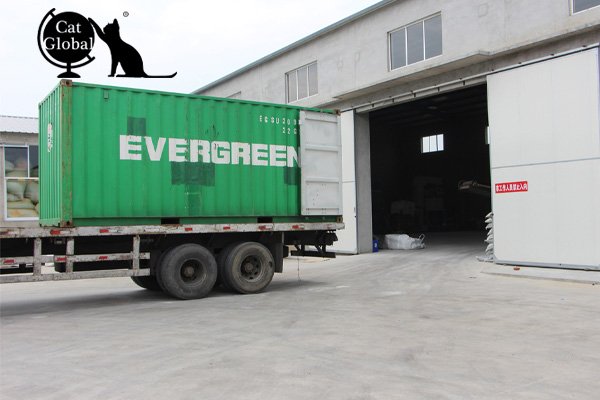
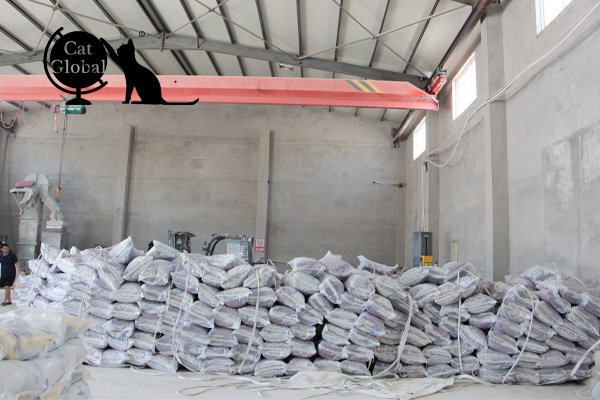
(3) التحقق من سجلات التصدير: سيكون لدى الشركة المصنعة سندات شحن متسقة باسمها الخاص؛ أما الشركة التجارية فستكون لديها سجلات متفرقة تحت أسماء عدة شاحنين. لدينا نبذة عن شركة «كات جلوبال» تُظهر هذه الصفحة منشأة الإنتاج الخاصة بنا — وهذا هو مستوى الشفافية الذي ينبغي أن تتوقعه من أي مورد جاد.