




主なポイント
- アレルギーのある猫には、2つの条件が同時に満たされる必要があります。それは、「ほこりが少ないこと(1スクープあたり0.1%未満、洗浄済み)」と「香料が一切添加されていないこと」です。これらの条件を両方満たす主流のベースは、洗浄済みのナトリウムベントナイトとほこりのない豆腐の2つだけです。.
- “「低アレルギー性」は猫用トイレ砂の規制対象となる表示ではありません。どのブランドでもこの表示を記載することができます。その根拠となるのは、ロットごとの粉塵(<0.1%)およびアンモニアに関する検査報告書、そして水洗い処理済みまたは植物繊維を主成分とする素材であり、袋に書かれた言葉そのものではありません。.
- ベントナイト製の猫用トイレ砂は、洗浄した場合にのみ、ほとんどのアレルギーを持つ猫にとって安全です。未処理の粘土は微細な粉塵を放出し、特に短頭種、子猫、高齢猫、喘息のある猫において、数日以内に気道を刺激する恐れがあります。.
- ダストフリー豆腐(大豆繊維)は、水洗可能かつ100%規格に準拠した生分解性を兼ね備えた、唯一の主流な猫用トイレ砂です。柔らかく固まり、アンモニアの発生を効果的に抑えるため、狭いアパートや、喘息持ちの飼い主がいるご家庭に最も適した安全な製品です。.
- 香りのついた猫砂は、どのような種類の猫砂であっても、トイレを拒否する原因の中で最も予防しやすいものです。猫の嗅覚は人間の約14倍も鋭く、香料の添加は猫のアレルギー症状を悪化させる主な引き金となっています。.
- 品質の良い洗浄済みベントナイトの5kg袋は、1匹の猫に対して3~4週間分となり、価格は20~35人民元です。一方、無塵の豆腐は6リットルあたり30~50人民元で、同じ期間分となります。獣医の診療費を考慮すると、アレルギーのある猫の場合、どちらも粘土よりも月あたりの費用が安くなります。.
- 1日1~2回、排泄物をすくい取り、週に1回はトイレの砂をすべて交換してください。たとえ固まりやすい洗浄済みベントナイトを使用している場合でも、粒の中にアンモニアが蓄積され、5日目頃には敏感な猫にくしゃみが再発してしまうことがあります。.
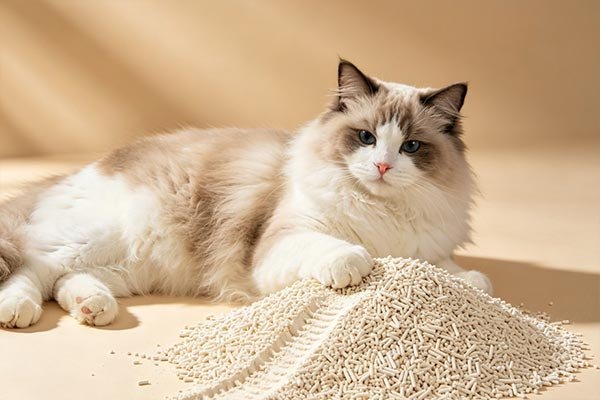
アレルギーのある猫に適切な猫用トイレ砂を選ぶことがなぜ重要なのか
現在、猫の約3匹に1匹が、少なくとも1つのアレルギーや呼吸器系の誘因にさらされた状態で暮らしていますが、その中でも最も見過ごされがちな原因が猫用トイレです。 不適切な猫砂の袋は、3つの問題を一挙に引き起こします。気道に沈着する微細な粉塵を放出し、皮膚や鼻を刺激する香料を含み、週1回の交換でも5日目には粒の中にアンモニアが蓄積してしまうのです。適切な猫砂を選べば、一般的な猫砂と同じ月額費用で、これら3つの誘因のうち2つを取り除くことができます。.
この2026年版ガイドは、猫の飼い主で以下の選択をしようとしている方を対象としています。 アレルギーのある猫用の猫砂 猫であれ人間であれ、誰かがくしゃみ、かゆみ、喘鳴を見せる家庭において。アレルギーを持つ猫にとって重要な3つの要因、すなわち「ほこり」「香り」「アンモニア」について、5つの主流な猫砂(洗浄済みベントナイト、ダストフリー豆腐猫砂、シリカゲル、松の猫砂、混合ブレンド)を比較しました。 呼吸器系の既往歴がない屋外飼いの猫用に、一般的な非凝集型粘土猫砂を購入する場合は、本記事は対象外です。その場合は、標準的な凝集型ベントナイト猫砂の購入ガイドをご覧ください。.
2026年版 低アレルギー性猫用トイレ砂比較表
主要な5つの猫用トイレはすべて、猫と人間にアレルギー反応を引き起こす3つの要因、すなわち「1スクープあたりの粉塵量」「香料含有量」「72時間のアンモニア抑制効果」において評価されました。数値が低いほど優れています。同点の場合は、猫1匹あたりの月額費用で順位を決定しました。.
| リッターベース | 1スクープあたりの粉の量 | 香料添加 | アンモニア管理(72時間) | おすすめ | 価格/猫1匹/月 |
| 洗浄済みベントナイト(ナトリウム系) | 極めて低い(<0.1%) | なし(無香料) | 素晴らしい | 多頭飼い、本能を最優先 | 20~35人民元 |
| 豆腐(大豆繊維) | 極めて低い(0に近い) | なし/ごくわずか | いいね | アパート、喘息患者向け住宅 | 30~50人民元 |
| シリカゲル結晶 | 低 | なし(無香料) | 素晴らしい | 猫1匹、トイレの掃除回数が少ない | ミッドレンジ |
| 松の木質ペレット | 低 | 天然の松の香り | フェア | エコ住宅、ふるい | 低~中 |
| ベントナイトと豆腐のミックス | 低 | なし/ごくわずか | いいね | 初めてペットを飼う方 | ミッドレンジ |
猫用トイレ砂における「低アレルゲン」の本当の意味
「低アレルギー性」は、猫用トイレ砂において規制対象となる表示ではありません。どのブランドでも、第三者機関による検証なしに袋にその表示を記載することができ、実際にほとんどのブランドがそうしています。 低アレルギー性の猫用トイレ砂と一般的なものを実際に区別する2つの指標は、ロットごとの粉塵に関する検査報告書(200メッシュのふるいを使用し、1スクープあたり0.1%未満)とアンモニア吸着能力、さらに無香料または天然由来のベースであることです。 袋にこの2つの条件が明記されていない場合は、その表示を単なる宣伝文句として捉えてください。.
アレルギーのある猫の場合、実用的な候補は意図的に少なく抑えられています。具体的には、洗浄済みナトリウムベントナイト(水処理により微細粒子を除去したもの)、ほこりの出ない豆腐(大豆繊維で、本来ほこりがほぼゼロ)、そして無香料のシリカゲルやパインペレットです。 香りのついた粘土や生ベントナイトは除外されます。前者は猫の鼻に刺激を与えすぎ、後者は猫が掘るたびに目に見えるほこりの雲を巻き上げるからです。.
厳選7選:アレルギーのある猫におすすめの猫用トイレ砂
アレルギーのある猫向けに厳選した7つの人気商品を、2026年の適合スコア順に評価しました。洗浄済みベントナイト製品は、当社の卸売用「catglobal」シリーズと同じ基材鉱物を使用しています。また、植物由来の製品は、基本的に粉塵を一切出したくないご家庭向けにラインナップを充実させています。.
1. 洗浄済み・低発塵性ナトリウムベントナイト — 総合的に最も優れた製品
洗浄済みナトリウムベントナイトは、アレルギーのある猫にとって最も安全な主流の粘土です。水処理工程により、くしゃみの原因となる微細なシリカ粒子が沈殿するため、良質な製品であれば袋からほぼきれいな状態で出てきて、5秒以内に固まります。 粘土系猫砂の固まり力を諦めたくない多頭飼いのご家庭にとって、洗浄済みベントナイトは、安全性、固まりやすさ、そして月額コストのバランスが最も優れている選択肢です。.
選ぶ際のポイント:200メッシュのふるいを通した際の1スクープあたりの粉塵量が0.1%未満であること、無香料であること、カルシウムではなくナトリウムのベントナイトであること、そして粒径が1.6~2.5 mmの範囲にあること。 「香り付き」と記載されているものや、ベントナイトの種類が明記されずに単に「凝集性」とだけ書かれているものは避けてください。これらは通常、香料が添加されたカルシウムブレンドの製品です。.
catglobalは、 洗浄済みのワイオミング産ベントナイト洗浄済みワイオミング産ベントナイトhttps://py-catglobal.com/product/hypoallergenic-cat-litter-wholesale-supplier/ 大連から80カ国以上へ出荷しており、出荷ごとにロットごとの粉塵およびアンモニアの分析報告書が添付されています。これは、購入する低アレルギー性バッグに必ず記載されているべき形式です。.
2. ほこりの出ない豆腐製猫用トイレ砂 — 植物由来の製品で最高
豆腐(大豆繊維)製の猫用トイレ砂は、アレルギーのある猫へのテストをデフォルトでクリアする、2番目に主流な素材です。 ペレットは密度が高く、本質的にほこりがほぼゼロで、柔らかくもしっかりと固まる性質を持っています。少量ずつであれば実際にトイレに流すことができ、100%の生分解性を備え、子猫やシニア猫、短頭種の猫の足にも優しい、唯一の主流な猫砂です。.
豆腐そのものには、大豆特有のほのかな香りがありますが、これは人工的な香料ではなく、アレルギーを持つ猫のほとんどはこれを問題にしません。そのほのかな香りさえも気になるご家庭では、アンモニアを発生源で中和する「3回洗浄済み」または「炭配合」の豆腐ペレットをお選びください。.
豆腐は、洗浄済み粘土に比べて1リットルあたりの価格がわずかに高く、また柔らかい塊を扱うには、より細かい目のスクープが必要となりますが、これは主流の猫砂の中で最も粉塵の発生が少ないという利点と引き換えに、些細な手間と言えるでしょう。. catglobalの無塵豆腐製造ラインcatglobal社の無塵豆腐製品ライン「https://py-catglobal.com/product/dust-free-cat-litter-wholesale-supplier/」は、6リットルおよび8リットルの小売用カートンに加え、卸売業者向けの20kgバルク用カートンで出荷されます。.
3. 無香料のシリカゲルクリスタル — 最高の消臭効果
シリカゲル結晶は、本質的には乾燥剤ビーズです。尿を吸収し、アンモニアを表面に吸着させるのではなく、顆粒の内部に閉じ込めます。その代償として、ベントナイトのように固まりにはなりません。そのため、毎日結晶をかき混ぜ、3~4週間ごとにトレイ全体を交換する必要があります。.
猫を1匹だけ飼っている家庭で、飼い主が敏感で毎日のトイレの掃除に根気のない場合、シリカは手間が最もかからない低アレルギー性の選択肢です。粉塵の量は生の粘土よりは少ないものの、洗浄済みベントナイトよりは多く、猫が受け入れる割合も低くなります(質感が砂のようではないため)。 過去に猫がシリカを嫌がったことがある場合は、再挑戦する選択肢としては適していません。.
4. パインウッドペレット — 最高の天然の香り
パインペレットはおがくずを圧縮して作られているため、素材は完全に天然のものであり、唯一の「香り」は木材に含まれる樹脂によるものです。ペレットは水分を吸収するにつれて細かいおがくずに分解されるため、通常はスコップですくうのではなく、箱の中をかき混ぜて取り出すことになります。この異なる取り扱い方法に、猫によっては1週間ほどかかる場合もあります。.
パインは、専用のふるいトレイが付いているため、環境に配慮した家庭に最適ですが、固まりにくい猫砂であり、室内でふるい分けを行うと、副産物であるおがくずが喘息持ちの方には負担となる可能性があります。ご家庭に喘息をお持ちの方がいらっしゃる場合は、マスクを着用して使用するか、屋外でふるい分けを行ってください。.
5. ベントナイトと豆腐の混合タイプ — 切り替え期に最適な猫砂
混合タイプの猫砂は、洗浄済みのナトリウムベントナイトと豆腐繊維をブレンドしたもので、粘土の固まりやすさと植物性ペレットの低粉塵性を兼ね備えています。この混合タイプは、猫を粘土系猫砂から切り替える際に最も簡単な方法であり――使い慣れた質感を保ちつつ粉塵量を抑えることができます――また、初めて猫を飼う飼い主にとっても最も扱いやすい猫砂です。.
配合比率に注意してください。ベントナイトと豆腐を70対30の割合で混ぜても、多少の粘土の粉が舞うことがあります。真に低刺激性の切り替えを目指すなら、植物由来成分が50対50以上含まれている製品を選びましょう。 また、混合タイプには「香り付き」と表示された製品が紛れ込みやすい傾向があります。マーケティング文言だけでなく、仕様書で「無香料」であることを必ず確認してください。.
6. 低アレルゲン性のトウモロコシまたは小麦 — ベスト・エコ・ピック
トウモロコシや小麦を原料とする猫用トイレ砂は、豆腐と同じ「植物性粉」の原理に基づいており、生分解性があり、少量ずつトイレに流すことができ、ほこりが少ないという特徴がありますが、大豆の代わりに穀物を原料としています。トウモロコシのトイレ砂は柔らかく固まり、小麦のトイレ砂はより固く固まり、アンモニアの吸収にも優れています。.
ただし、穀物アレルギーの問題があります。一部の猫(および人間)は、トウモロコシや小麦のタンパク質に敏感です。愛猫が穀物に敏感かどうかはわからない場合は、10kg入り大袋を購入する前に、まず2kg入り小袋で試してみてください。アレルギーが確認されていない場合は、豆腐を基本の食事として与えるのがより安全です。.
7. 無香料の猫用トイレ砂 — 複数匹の猫を飼う家庭に最適なコスパ抜群の製品
予算が限られている多頭飼いのご家庭では、無香料の洗浄済み粘土ブレンド(ベントナイトナトリウム+凝集安定性を高めるための少量のカルシウムベントナイト)が、1匹あたりの月額コストが最も安くなります。 その代償として、洗浄済みのブレンドであっても、猫が砂を掘ると少量の粉塵が舞い上がります。換気の良い部屋であれば許容範囲ですが、狭いアパートではあまり適していません。.
新しい袋ごとに「注ぎテスト」を行ってください(膝の高さからスクープ1杯分を注ぎ、空気の様子を観察します)。目に見える煙のようなものが発生した場合は、その袋を返品し、100%プレミアムグレードのナトリウムベントナイトに切り替えてください。1キログラムあたり数元余分にかかりますが、将来的に獣医代として元が取れるでしょう。.
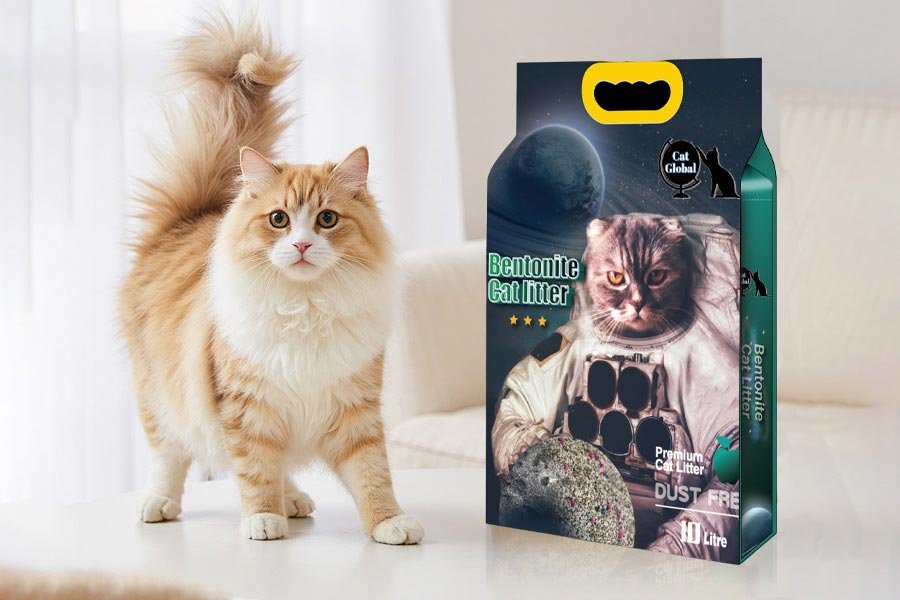
猫にアレルギーがある場合に避けるべきこと
4種類の猫砂は、確実にアレルギー症状を悪化させます。これらはいずれも低アレルゲン製品の候補リストには含まれておらず、その理由が販売宣伝文で明記されることはほとんどありません。.
1. 香り付き粘土 — 香りが強すぎる
緑茶、ベビーパウダー、ラベンダー――これらの香りはどれも、人間の約14倍も敏感な猫の鼻に合わせて作られているわけではありません。香水は最初の1週間はアンモニア臭を覆い隠しますが、2週目にはトイレを拒否されたり、アレルギー症状が悪化したりする原因となります。無香料の製品を選び、臭いの発生源から対策しましょう。.
2. 未精製ベントナイト — 粉塵による危険性
安価なジェネリック製の猫砂は、乾式ふるい分けのみが行われており(洗浄工程や除塵工程がないため)、袋の中には目に見えるほどの微細な粒子が浮遊しています。猫が猫砂を掘ると、その粉塵が空気中に舞い上がり、数か月にわたって家具や気道に蓄積していきます。新しい猫砂を購入するたびに「注ぎ出しテスト」を行ってください。粉塵が舞い上がる場合は、返品してください。.
3. カルシウムベントナイト — 固まりにくく、アンモニアが蓄積する
カルシウムベントナイトは水分を吸収するものの、ほとんど膨張しないため、固まりができてもごくわずかか、あるいは全くできない。柔らかい固まりがトイレの壁に付着し、アンモニアがより早く蓄積され、猫は用を足すたびに濡れた残留物を踏んでしまう。袋に「ナトリウムベントナイト」と明記されていない限り、ラベルに「固まる」と記載されていても意味がない。.
4. 香りの強い植物性敷材 — 同じトラップ、植物ベース
トウモロコシ、小麦、松などの素材を使用した製品の中には、人間の購入者に対して植物本来の香りを隠すために香料を添加しているものがあります。その結果、香料入りの粘土と同じようなアレルギーや拒否反応の問題が生じますが、原料が異なるだけです。仕様書で「無香料」または「天然の香りのみ」と記載されているかを確認してください。.
アレルギーのある猫の衛生管理
どんなに優れた低アレルギー性の猫砂でも、使い方が間違っていれば意味がありません。4つの習慣が、普通の猫砂をアレルギー反応を引き起こしにくい猫砂に変えてくれます。.
1. 1日1~2回すくい取り、週に1回全量交換
朝と夜に排泄物をすくい取ってください。固まりやすい洗浄済みベントナイトを使用している場合でも、5日目には粒の中にアンモニアが蓄積し、敏感な猫では再びくしゃみが引き起こされます。週に1回の全交換に加え、トイレの箱をぬるま湯で洗うことは、最低限のケアであり、それ以上のケアも必要です。.
2. マットを敷き、その近くでHEPAフィルター付き掃除機を使う
足に付着した砂は、床やベッド、さらには空気中にも飛び散ってしまいます。トイレの前に敷いた砂受けマットが大部分をキャッチし、そばに置いてあるHEPAフィルター付き掃除機が残りを吸い取ります。喘息持ちの飼い主にとって、この2つを組み合わせるだけで、空気中のホコリの量を半分に減らすことができます。.
3. 無香料の刺激の少ない洗剤で箱を洗う
匂いの強い洗剤は、香りのついた猫砂と同じようにアレルギーや拒絶反応を引き起こします。ぬるま湯と刺激の少ない無香料の石鹸を使い、十分にすすいでから乾かしてから、猫砂を補充してください。漂白剤、アンモニア系スプレー、エッセンシャルオイル入りの洗剤は使用しないでください。.
4. 猫砂置き場で空気清浄機を稼働させる
トイレや洗濯コーナーに猫用トイレを置いている場合、小型のHEPA空気清浄機を使えば、1時間以内に空気中のほこりの量を目に見えて減らすことができます。その VCAホスピタルズによる猫の喘息ガイドVCAホスピタルズの「猫の喘息ガイド」https://vcahospitals.com/know-your-pet/feline-asthma では、室内空気の質が、飼い主が実際にコントロールできる数少ない環境的誘因の一つとして挙げられています。.
catglobalの役割
「catglobal」は、2000年以来80カ国以上に製品を輸出している大連に拠点を置く猫用トイレ砂メーカー、普源大連ペット製品有限公司のベントナイト製品シリーズです。catglobalのベントナイト製品が、低アレルギー性の製品候補リストに常に名を連ねている理由は2つあります。.
1. 洗浄済みワイオミング産ベントナイト(モンモリロナイト含有率95%以上)
catglobalのベントナイト製品はすべて、市場で最高純度のベントナイトである「≥95% ワイオミング産ナトリウムモンモリロナイト」を使用しており、袋詰め前に水洗いを行って微細粒を除去しています。粉塵、凝集性、アンモニアに関するバッチごとの分析報告書が、すべての注文に同梱されます。詳細な catglobal ベントナイト猫用トイレ砂 卸売商品ラインナップcatglobalのベントナイト猫用トイレ砂の卸売ラインナップhttps://py-catglobal.com/bentonite-cat-litter/には、小売用の5 L/10 Lカートン、プライベートブランド用の5 kg/10 kg/20 kg袋、および18 MT 20 GP/ 22~28 MT 40フィートHCバルクまでを網羅しています。.
2. 大連から80カ国以上への卸供給
FOB大連が標準条件です。EXW、CIF、DDPについては、ご要望に応じて輸送ルートごとにお見積もりいたします。プライベートブランド製品の最小注文数量(MOQ)は1×20 GP(約18 MT)で、デザイン承認後20日間のリードタイムが必要です。また、当社の社内デザインチームが、80以上の管轄区域における小売業者向けのバーコードおよびPOSパネルレイアウトの設計をサポートいたします。. catglobalへのお問い合わせコンテナのご注文を確定される前に、無料サンプルおよびバッチごとの分析報告書をご希望の場合は、catglobalhttps://py-catglobal.com/contact/ までお問い合わせください。.
よくある質問
アレルギーのある猫用の猫砂を選ぶ際、飼い主から最もよく寄せられる質問への簡単な回答です。FAQの完全なスキーマ(JSON-LD)は、このガイドに同梱されています。.
Q1. 猫用トイレの砂にアレルギーになることはありますか?
はい。猫用トイレの砂は、2つの方法で反応を引き起こします。粘土や低品質のベントナイトから出る粉塵が、猫や人間の気道を刺激すること、そして添加された香料(香水、「ベビーパウダー」、緑茶など)が、皮膚や呼吸器の刺激の主な原因となることです。 洗浄済みで無香料のベントナイト、あるいは豆腐などの粉塵の出ない植物由来の猫砂に切り替えることで、ほとんどの家庭において、これら両方の原因を取り除くことができます。.
Q2. 猫用トイレの砂の粉塵は人体に有害ですか?
洗浄済みで粉塵の少ないベントナイトは、1スクープあたりの浮遊粒子を0.1%未満に抑えます。一方、未加工の粘土は、注ぐ際に目に見える粉塵の雲を発生させ、数ヶ月にわたって曝露されると喘息患者に刺激を与える可能性があります。 ご家族に喘息やアレルギーのある方がいらっしゃる場合は、新しい袋ごとに注ぎ出しテストを行い、洗浄済みベントナイトまたは粉塵のない植物由来の製品に切り替えてください。.
Q3. 猫用トイレの砂は何でできているのですか?
主流の猫砂のほとんどは、5つの基材のうちいずれかを使用しています。具体的には、ベントナイト粘土、豆腐(大豆繊維)、シリカゲル、松やその他の木材ペレット、あるいはそれらの混合物です。 アレルギーのある猫にとって、最も安全な2つの基材は、洗浄済みのナトリウムベントナイトと粉塵の出ない豆腐です。どちらも無香料のものが入手可能で、SGSによる粉塵およびアンモニアの試験に合格しています。.
Q4. 猫砂はどのくらいの頻度で交換すべきですか?
1日に1~2回、排泄物をすくい取り、週に1回はトイレの砂をすべて交換してください。固まりやすい洗浄済みベントナイトを使用している場合でも、粒の中にアンモニアが蓄積し、敏感な猫では5~7日以内にくしゃみの原因となります。 週に1回の完全な交換、トイレの温水洗浄、そして5cmの新しい猫砂を敷くことで、刺激物質の蓄積を抑えることができます。.
Q5. 猫用トイレの砂はトイレに流してもいいですか?
粘土やベントナイト製の猫砂は絶対にトイレに流さないでください。水に触れると膨潤し、配管を詰まらせてしまいます。一般的な家庭の配管であれば、少量ずつ(1塊ずつ)であれば、本当にトイレに流せる主流の猫砂は、粉塵の出ない豆腐猫砂だけです。シリカ、松、および混合タイプの猫砂は、必ず家庭ごみとして捨ててください。.
Q6. なぜ猫用トイレの砂はこんなに高いのですか?
価格は、鉱石の原価と加工コストに基づいて決定されます。 洗浄済みナトリウムベントナイトは、採掘、破砕、水洗による微細粒子の除去、再乾燥の工程を経ます。この洗浄工程により、5kg袋あたりの価格は30~50%高くなりますが、粉塵は90%削減されます。 良質の洗浄済みベントナイト5kg袋1袋で、1匹の猫を3~4週間分カバーでき、価格は20~35人民元です。これは、主流の低アレルギー性猫用トイレ砂の中で、依然として1匹あたりの月額コストが最も安いものです。.
Q7. 猫用トイレ砂には毒性がありますか?
洗浄されていない、香料入りの、あるいは低品質の粘土系猫砂こそが有害性の懸念対象であり、そのカテゴリーそのものが問題なのではありません。洗浄済みで無香料のベントナイト、粉塵の少ない豆腐系猫砂、シリカゲル、松のペレットはすべてSGSおよびCMAの安全基準を満たしており、少量が誤って摂取された場合でも無害です。 リスクとなるのは、粘土の粉塵や香料の長期にわたる吸入であり、急性中毒ではありません。アレルギーを持つ猫や、アレルギー体質のある家族がいる家庭では、洗浄済みで無香料の製品を選んでください。.